CLASSIC INCA TRAIL TO MACHU PICCHU 4D/3N
The Inca trail is one of the top 10 trekking routes in South America and the number 1 in Peru.
- Camping 3 Nights
- Up to 8 People
- 4,215mt / 13,829ft
- Moderate to Challenging
- Cusco-Wayllabamba-Pacaymayo-Wiñaywayna-Sun Gate-Machupicchu-Cusco
Embark this Beautiful hike to Machupicchu
The Inca trail is one of the top 10 trekking routes in South America and the number 1 in Peru.
Back in the Inca’s time this trail served as a communication system for the Incas, allowing runners to travel from one place to another across the vast Inca territory, which extended from southern Colombia to northern Argentina. There are different Inca trails to hike, but this is the most famous one, taking you from the Sacred Valley to Machu Picchu, which is one of the Seven Wonders of the World, through beautiful landscapes and various Inca archaeological sites.
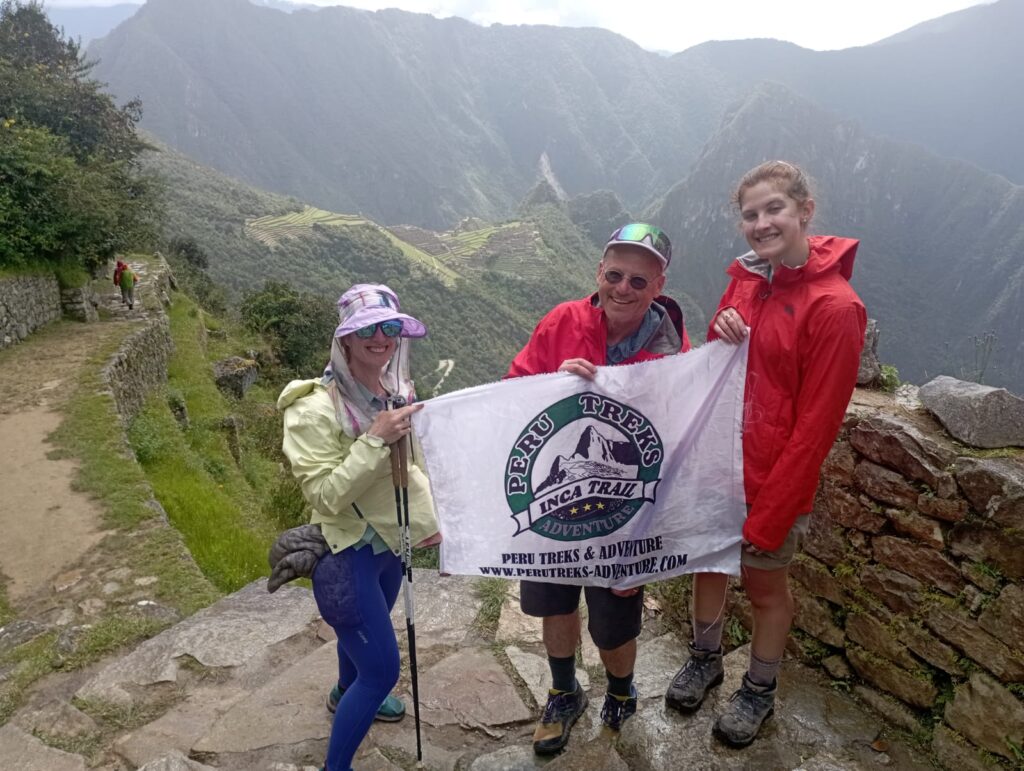
Our departure dates for the Inca Trail range from March to January. Our recommended period being April to October due to the rainy season. The Inca Trail has a strict limit on the number of people alowed (500), with three hundred of them are the guides, porters and chefs. Therefore we will recommend booking your trip as early as possible, ideally around 6 months in advance.
The real Inca Trail to Machu Picchu covers more than 32,952 hectares, various networks of Inca roads, dozens of archaeological sites, ten ecological zones, over 450 bird species, and 200 species of orchids, in addition to the Sanctuary of Machu Picchu.
- Day 1: Cusco – Km 82 – Wayllabamba
- Day 2: Wayllabamba – Dead woman Pass – Pacaymayu
- Day 3: Pacaymayu – Runkuraqay – Phuyupatamarka/Wiñayhuayna
- Phuyupatamarka/Wiñayhuayna – Sun Gate – Machupicchu – Cusco
Dia 1: Cusco – Ollantaytambo – Km82 – Wayllabamba
Your trip to Machu Picchu through the classical Inca trail begins at your hotel, from where you will be picked up from your hotel around 5:00am. From your hotel you will have a transfer 2 hours with your guide to our starting point which is called km 82 or Piscacucho. At the starting point you need to show your Inca Trail ticket and your original passport. Here the Inca Trail begins and we will start hiking for 4 hours to Tarayoq, where we are going to enjoy a nice lunch. The first 2 hours hike is kind of flat and a beautiful walk, where we can enjoy the incredible flora of the landscape around us.
After the lunch we are going to have another two hours hike to Wayllabamba (3.000 m.) which will be our camping spot. We will arrive there at 5:00 pm in the afternoon, and we will enjoy a nice dinner from our personal professional chef at 6:30 pm. After the dinner we will settle down for the night.
Meals: Lunch, afternoon tea and dinner.
Accommodation: Camping facilities.
Distance: 11kms/6.8 mls (6 hours more or less of hiking)
Difficulty: Easy/Moderate.
Walking Time: Approximately 6 hours (including picnic lunch in route)
Walk and Terrain: Walk, canter on open roads, some steep ascending
Day 2: Wayllabamba – Dead Woman Pass – Pacaymayo
The steep climb up to the first pass (4200m)Climbing up from Wayllabamba following the left bank of the Llulluchayoc river for about 1 hour brings you to ‘Tres Piedras’ (three stones) and a small bridge over the Huayruro river. There is a small campsite here toilet facilities. The stream is named after the Huayruro which is an ornamental tree. It’s seeds are red and black. Many of the porters from the Ollantaytambo district are also known as Huayruros because of their traditional red and black ponchos! A little further on you’ll enter a beautiful cloud forest passing a waterfall.
A further three hours trek through steepening woods and increasingly spectacular terrain brings you to the treeline and a meadow known as Llulluchapampa (3,680m). It is another 1.5 hours climb to the first and highest pass of the trail (Abra de Huarmihuañusca or ‘Dead Woman’s Pass) at 4,200m. During this part of the trail hikers are exposed to the Andean elements: first scorching sun and then, closer to the pass, freezing winds. Once at the top hikers can celebrate having completed the most difficult section of the trail.
The decent from the pass is steep although not difficult, following the trail on the left side of the valley to the valley floor and to the 2nd night’s campsite at Pacamayo (3,600m). There are toilet facilities here.
Meals: Breakfast, lunch, afternoon tea and Dinner.
Accommodation: Camping facilities.
Distance: 12kms/7.8mls (6 hours more or less of hiking time)
Difficulty: Moderate/challenge.
Day 3: Pacaymayo – Runkuraqay – Phuyupatamarka/
Wiñayhuayna
From Pacamayo it takes about an hour to climb up to the ruins of Runkuracay. These small circular ruins occupy a commanding position overlooking the Pacamayo valley below.
SayacmarcaAnother 45 minute hike will bring you to the top of the second pass: Abra de Runkuracay (4,000m). At last you’ll feel that you are walking along the trail of the Incas with paving, for the most part, being original. The descent down the steps from the pass is steep so take care. This section of the trail, up until the 3rd pass, is particularly beautiful as the path crosses high stone embankments and skirts deep precipices. After about 1 hour from the 2nd pass you’ll arrive at Sayacmarca by way of a superbly designed stone staircase. The name Sayacmarca means ‘Inaccessible Town’ and describes the position of the ruins perfectly, protected on three sides by sheer cliffs. No one knows the exact purpose of these ruins.
You have to backtrack a little to rejoin the trail as it passes Conchamarca, a small Inca dwelling situated in the shadows of Sayacmarca, which was probably a tambo for weary travellers on their way to Machu Picchu. From then on the path descends into magnificent cloud-forest full of orchids, hanging mosses, tree ferns and flowers, passing through an impressive Inca tunnel, carved into the rock, on the way.
The trail then climbs up to the 3rd pass (3,700m). The view from the pass offers excellent views of several snow-capped peaks including Salkantay (6,180m) and Veronica (5,750m). A few minutes after the pass is Phuyupatamarca, the most impressive Inca ruin so far. The name means ‘Town in the Clouds’. Access to the ruins is down a steep flight of stairs passing six ‘Inca Baths’ probably used for the ritual worship of water.
Leaving the site via an impressive Inca staircase leading from the west side of the ruins (the far end from the baths) you descend a thousand or so steps. Be careful with your knees which will feel the strain by the end of the day.
After about an hour of walking through cloud-forest you may just be able to see the tin roof of the Trekkers Hostal at Wiñay Wayna (no longer used), although it probably won’t be for another 2 hours until you arrive.
Wiñay Wayna is the last official campsite before Machu Picchu.
A short trail leaves from the southern end of the hostal to the ruins of Wiñay Wayna. The name in Quechua means ‘forever young’ and is named after a variety of pink orchid which grows here. The ruins comprise magnificent agricultural terraces set in an impressive location. There are also many buildings of good quality stonework and a sequence of 10 baths, suggesting that the site was probably a religious centre associated with the worship of water. Ritual cleansing may have taken place here for pilgrims on the final leg of the trail to Machu Picchu.
Meals: Breakfast, water, lunch, afternoon tea and dinner.
Accommodation: Camping.
Distance: 16kms/10mls (10hours more or less of hiking)
Difficulty: Moderate
Day 4: Wiñayhuayna – Sun Gate – MachuPicchu – Cusco
The trail from the Wiñay Wayna to Machu Picchu is clearly marked and takes about 1.5 hours. We’ll wake early at 4.30am, have breakfast and set off on the trail again by 5.30am to get to Machu Picchu before sunrise. The sky starts getting light by 5:30am and the first rays of the sun reach Machu Picchu at about 7am. The trail contours a mountainside and drops into cloud forest before coming to an almost vertical flight of 50 steps leading up to the final pass at Intipunku (Sun Gate). Suddenly the whole of Machu Picchu is spread out before you in all its glory – a fantastic sight for all.
When you arrive at the ruins you’ll have plenty of time to take photos of Machu Picchu from the classic view point’. When the group is back together again we descend to the main entrance where you can safely leave your large backpacks. You can also go to the toilet and have a quick coffee in the restaurant just outside the entrance. The group will re-enter the ruins with the same guide for a complete tour of the major sectors. The tour takes about 2 hours so after the tour you’ll have free time to explore the ruins alone. For information about climbing Huayna Picchu (optional)
The group will then take the bus down to Aguas Calientes town for lunch (at the ruins there is only one restaurant and it’s very expensive). The bus journey takes about 30 minutes. There are several small restaurants in Aguas Calientes to satisfy all budgets. You may also wish to pay a visit to the town’s famous thermal springs which feel great after having completed the trail. Entrance to the springs costs US$5, allow 2 hours to really enjoy them.
The train departs from Aguas Calientes to Ollantaytambo (time can vary subject to ticket availability) and you’ll arrive back in Cusco , Included in our standard service is the tourist bus from Machu Picchu down to Aguas Calientes, return on the train from Aguas Calientes to Ollantaytambo where you will be collected and taken by bus back to Cusco.
Important note:
The above trek itinerary is typical of 98% majority of our Classic Inca trail to Machu Picchu 4d/3n. However campsites used during the trek may be subject to change depending on availability of spaces as issued by the UGM (the government authorities that control access to the Inca Trail). The UGM are responsible for allocating the campsites to the various trekking companies. Although we try to make Wiñay Wayna our last campsite (since it is only a 2 hour trek to Machu Picchu) we cannot guarantee this to be the case and on occasions we have been allocated space at Phuyupatamarca (nearly 4 hours from Machu Picchu). These matters are the same for all trekking companies and are outside of our direct control.
What’s Included?
- Briefing: You will meet with your Inca Trail guide at your hotel (or another agreed-upon location) around 18:00 hours for an informative session about your hike to Machupicchu.
- Tourist transportation «Cusco – Ollantaytambo – Km 82, Piscacucho«.
- Bus tickets – Consettur to Aguas Calientes.
- «Expeditions» tourist train Aguas Calientes – Ollantaytambo.
- Tourist transportation «Ollantaytambo – Cusco».
- Highly qualified professional English and Spanish-speaking guide on the Inka Trail & Machupicchu.
- Entrance ticket for the classic Inca Trail.
- 1st night: Camping at Wayllabamba.
- 2nd night: Camping at Pacaymayo.
- 3rd night: Camping at Wiñay Wayna.
Note: Campsite availability is subject to the availability determined by the Ministry of Culture.
-
Entrance ticket for the Inca Trail and the Archeological site of Machu Picchu (Circuit 1 «Guardian’s House», and Circuit 3).
-
Dining and kitchen tents, tables, chairs, and kitchen equipment carried by our team (the porters).
-
A specialized chef for trail cuisine and an assistant who will prepare all meals during the trail.
-
3 breakfasts, 3 lunches, 3 dinners (vegetarian, vegan, luten-free at no additional cost).
-
Supply of boiled, filtered, and cooled water from the second day to the last breakfast. It is recommended to bring your own water bottles (approximately 3L).
-
Wake-up with Coca Tea, every morning at the camp, a cup of coca tea is provided in the tent before starting the day.
-
Tea Time, every day during the hike.
-
The team will carry a first aid kit, including an emergency oxygen bottle.
-
24-Hour Customer Service: We offer a 24-hour telephone service to facilitate communication with our agents before your trek.
-
Free Luggage Storage: We provide complimentary luggage storage at our offices in Cusco. You can leave your luggage before starting your tour (exclusive to our passengers).
What’s not Included?
- Trekking poles are not included but is highly recommend for the hike. You can bring your our or rent from us.
- Sleeping bag.
- Additional entrances (Huayna Picchu mountain or Machu Picchu Mountain).
- The first breakfast and the last lunch are not included.
- Additional costs or delays beyond our control, such as natural disasters, adverse weather conditions, itinerary modifications due to passenger health issues (suffering from an illness or health problems), pandemic, changes in government policies, political instability, strikes, etc.
What to Bring?
- Original passport (and valid student ID if applicable).
- Hiking boots/shoes.
- Hiking Socks.
- Waterproof jacket / rain poncho.
- Warm clothing, hat, and gloves.
- Casual mountains wear for evenings
- Short or long-sleeved shirts.
- Comfortable pants.
- Sun hat.
- Sunglasses.
- Sunscreen (recommended SPF 35).
- Reusable plastic or metal bottles, or a camelback.
- Insect repellent.
- Personal hygiene items or day Pack.
- Personal medication.
- Camera and camcorder.
- Flashlight with extra batteries.
Extra Items to Bring
- Shorts.
- Trekking poles (with rubber tips).
- Bandages and bandages.
- Sandals.
- Baiting suit for the hot springs.
- Extra money for personal expenses, tips (recommend 300 Peruvian nuevos soles for extra expenses).
Inca Trail to Machu Picchu (Rules)
Inca Trail to Machu picchu (2-4 and 5 Days)
The appeal of this particular trek is the stunning combination of Inca ruins, magnificent mountains, exotic vegetation and extraordinary ecological variety. The trail goes over high passes with unforgettable views, through cloud forest, and finally into subtropical vegetation. More Info
Inca Trail to Machu Picchu Frequently Asked Questions
Q1: How far in advance do I need to make a trek reservation with PeruTreks?
As far in advance as possible. The government has strictly limited the number of people allowed on the Inca Trail (permits are issued to about 200 trekkers per day plus 300 porters). More Info